Istanbul. It’s a city that just… happens to have centuries of history layered on top of a buzzing, modern vibe. And talk about history, right? Few TV shows ever really grab you like “Magnificent Century” (Muhteşem Yüzyıl) did. Millions around the world got sucked into this unbelievably grand, often brutal world of the Ottoman Empire. This wasn’t just some historical drama about Sultan Suleiman the Magnificent and Hürrem Sultan; it completely sparked something new. Made people really look at Istanbul, at its past, in a fresh way.
So, if you’re one of those fans—and let’s be honest, who isn’t?—who pictured themselves wandering Topkapi Palace or haggling in the Grand Bazaar, just like in the show… well, you’re not wrong to dream. A lot of that screen magic? Yeah, that was studio work. But Istanbul itself? That’s the real heart, the actual backdrop. This guide? It’s basically your cheat sheet. We’ll show you where the epic drama really played out. And how you can actually feel the Ottoman Empire, right now.
Filming Locations Map
The Grand Illusion: Blending History with Hollywood Magic
Okay, so ‘Magnificent Century’ looked incredible, right? That visual punch? It was kind of a two-pronged attack. They used real historical spots for those sweeping, epic shots. The big ones. But for almost all the really close-up, dramatic stuff, the intricate interior scenes? That was all elaborate studio sets. Every single bit of it.
This wasn’t just some artistic choice, either. It was crucial. Istanbul gives you that genuine historical feel, no doubt. The scenery blows your mind. But filming inside these old places? Forget it. Strict rules. Logistical nightmares. Seriously, it’s a headache.
So, what’d they do? They built their own world. Massive, purpose-built studio sets. This meant they could control everything—lighting, angles, every little detail. Get the historical accuracy spot-on without, you know, breaking any actual historical stuff. Plus, big crowds, complex scenes, even stunts? Way easier in a controlled environment. These sets weren’t cheap, by the way. A huge investment. They really pushed what a Turkish historical drama could look like.
So yeah, Istanbul gives the show its vibe, its very soul. But a lot of the actual drama, the daily life inside the palace? That happened somewhere else entirely. In a frankly magnificent, but totally fake, recreation.
Istanbul’s Enduring Stars: Real-Life Locations You Can Walk Through
Alright, the fancy palace interiors? Studio magic. Got it. But Istanbul’s big, famous landmarks? They were absolutely central. Gave the show a real anchor, you know? Breathtaking establishing shots. Total sense of reality. Lots of exterior scenes, the general street vibe, all that? They shot that stuff in real historical spots. Places like Fatih or Eminönü districts. Just to make it feel right, give it that authentic, massive scale.
Topkapi Palace (Topkapı Sarayı): The Sultan’s True Domain
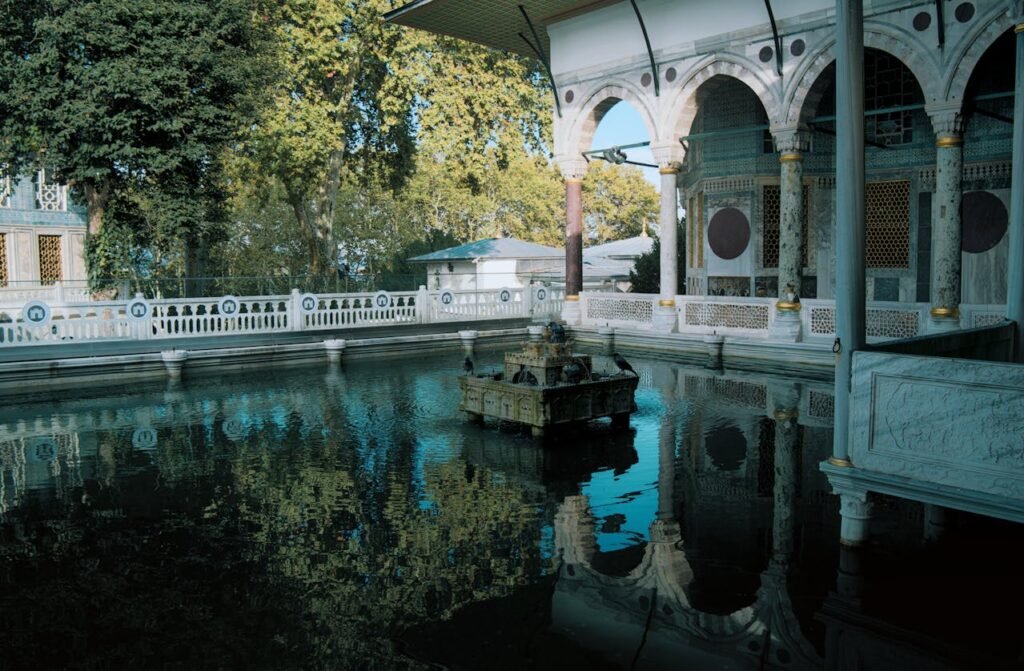
On the show: This was it—the formidable, magnificent heart of Ottoman power. They used Topkapi for all those imposing exterior shots, the grand entrances, and dramatic departures. Setting the scene, you know? Like, ‘This is where the Sultan lives.’ The real palace definitely inspired their entire look. But the fancy insides? The Harem, the Imperial Council, Suleiman’s private rooms? Nope. Never filmed in the actual historical place. Too much to manage, I guess.
For visitors: Seriously, you have to go. Block out half a day, at least. Wander those huge courtyards. Check out the Imperial Treasury; the jewels in there are insane. Try to picture it, the actual daily grind within those walls. What was it really like?
The Harem in real life vs. the show’s Harem: Okay, big difference here. The real Harem at Topkapi? You can tour it. It’s this incredible, sprawling maze of rooms, little courtyards, hammams. Totally authentic. It gives you a real feel for the lives of the sultans, their mothers, the consorts, the kids. But it’s not the perfectly curated, slightly dramatized version you saw on screen, if that makes sense. Today, you can actually walk through some of the exact spaces they replicated for the show. It’s wild to see how close—or how different—the fiction was to the fact.
Hagia Sophia (Ayasofya-i Kebir Cami-i Şerifi): Istanbul’s Grand Icon
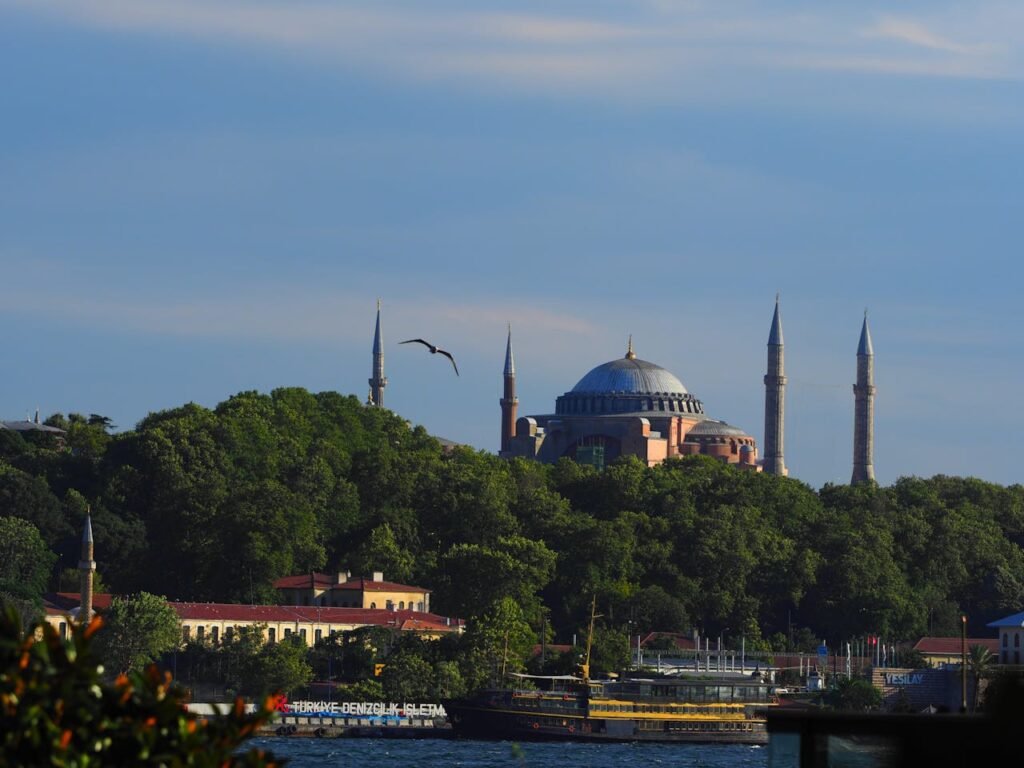
On the show: You’d often see Hagia Sophia pop up in those big, wide shots. It just is Istanbul’s skyline, right? Really hammered home the city’s grand scale, its rich, layered history. Made the whole empire feel huge.
For visitors: You gotta see this place. Seriously. It’s ancient, it’s massive, it just… humbles you. Started as a Byzantine church, then an Ottoman mosque, now a mosque again. It basically shouts history at you. Those mosaics, that colossal dome, the crazy calligraphy—it’s all there.
Blue Mosque (Sultan Ahmed Mosque / Sultan Ahmet Camii): The Ottoman Rival
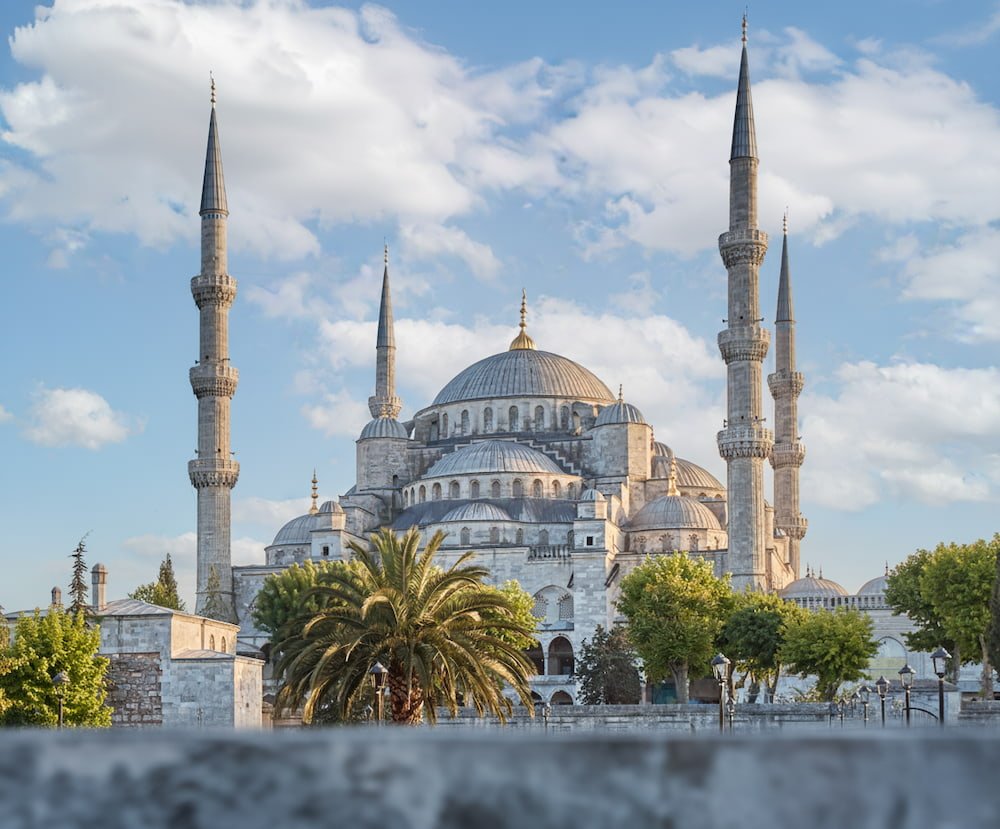
On the show: Okay, quick history check: the Blue Mosque wasn’t actually around during Suleiman’s time. Like, a whole century later. But it’s so iconic, such a huge part of Istanbul’s skyline now, they probably chucked it into wide shots anyway. Just to make the capital look even more glorious, you know?
For visitors: Walk inside. Just do it. The way the domes cascade, those six skinny minarets reaching up… it’s something else. And the tiles! Thousands of İznik tiles inside, creating this really peaceful, kind of breathtaking, vibe.
Grand Bazaar (Kapalıçarşı): The Empire’s Thriving Heartbeat
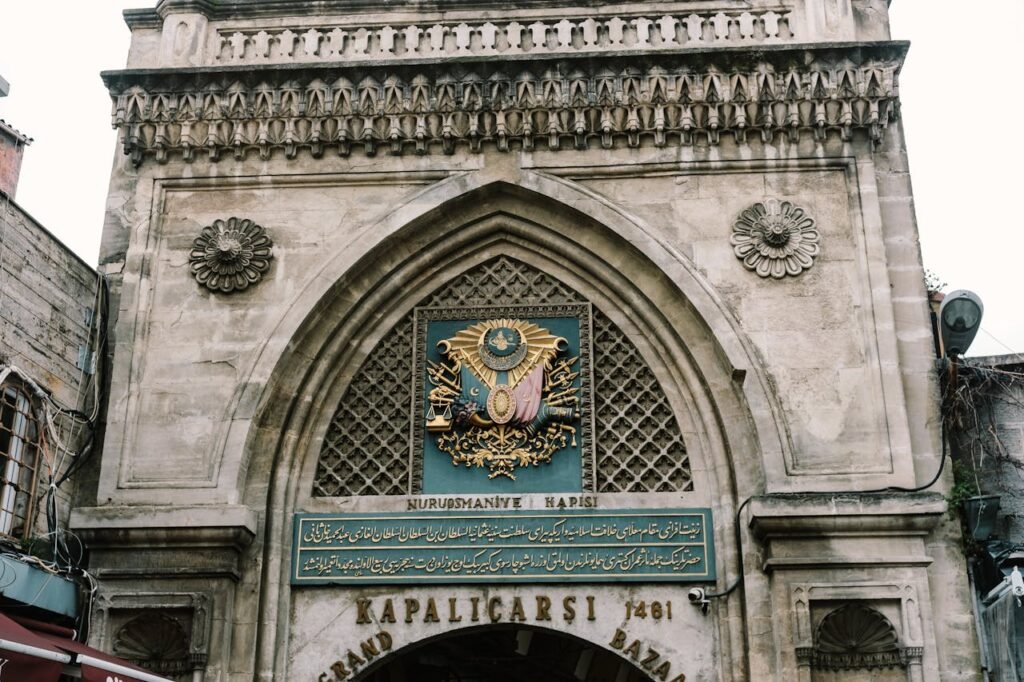
On the show: This place, or at least some bustling version of it, totally featured in ‘Magnificent Century.’ Any time they needed to show Istanbul’s energy, the street life, all that rich trade? That’s where they went. It felt like the city’s actual pulse.
For visitors: Seriously, prepare to get delightfully lost. This is one of the oldest, biggest covered markets on earth. A real maze. Thousands of shops—spices, fabrics, jewelry, carpets. Everything. You can practically feel centuries of haggling and history here. It’s a whole thing.
Hippodrome of Constantinople (Sultanahmet Square): Echoes of Empires Past
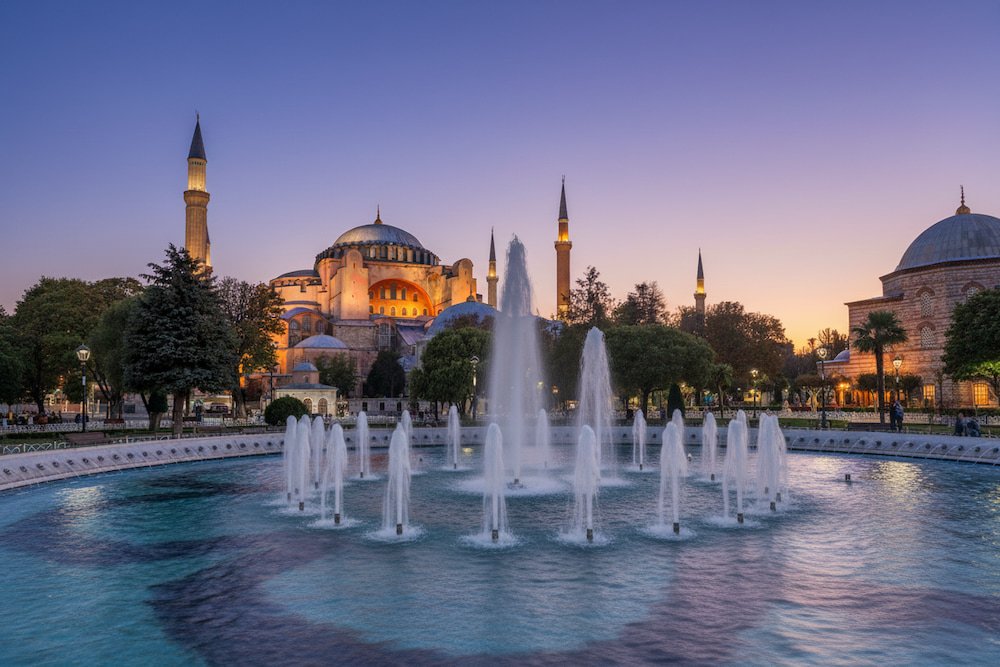
On the show: So the Hippodrome is way, way older than the Ottomans. Like, ancient. But they’d still have used it for big public scenes, or just to show off Istanbul’s ancient core. Made the city feel even deeper, historically speaking.
For visitors: Stand there. Look at those old obelisks, the markers. Try to imagine the massive public events, the chariot races, the sultans making big announcements. All right here. Pretty wild, when you think about it.
Suleymaniye Mosque Complex (Süleymaniye Camii): Suleiman’s Eternal Legacy
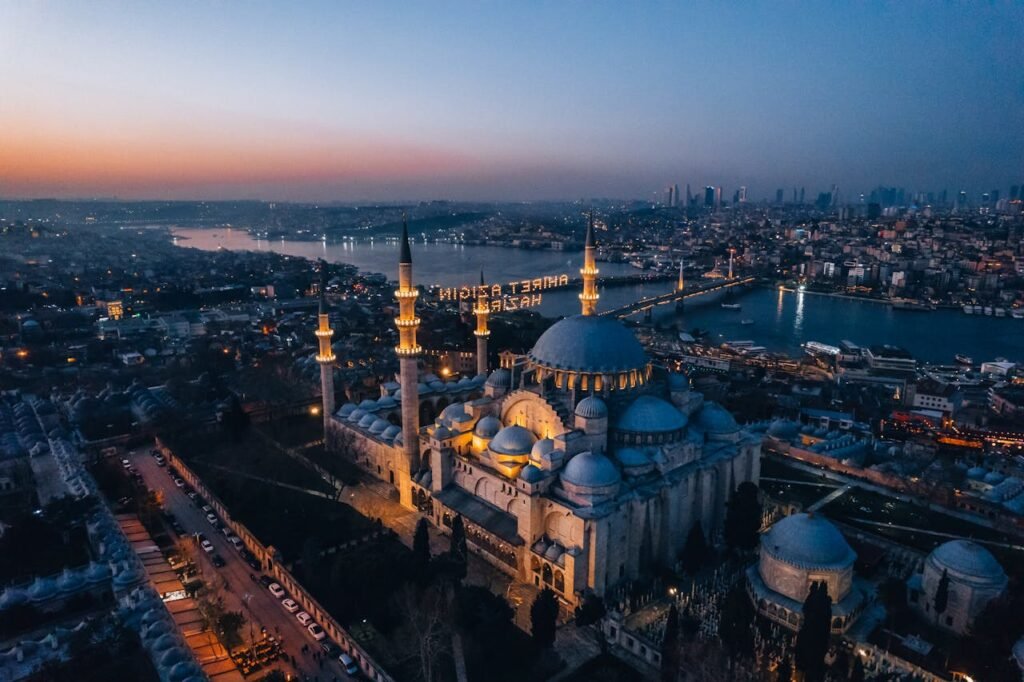
On the show: This mosque complex? It was Suleiman’s baby, designed by the absolute legend Mimar Sinan. So, yeah, it’s a huge real-world symbol of that Ottoman Golden Age you saw on TV. Its majestic exterior, sitting right there on the skyline, popped up constantly in ‘Magnificent Century’ for establishing shots. Really helped show what 16th-century Istanbul was all about, and, you know, Suleiman’s lasting mark.
For visitors: Go. Just go. This mosque is magnificent, and its gardens are so peaceful. You get this deep sense of connection to the characters. And get this: within the complex, you’ll find the actual mausoleums. Where Sultan Suleiman the Magnificent and Hürrem Sultan are buried. Talk about a tangible link to the show’s main players. It’s kind of chilling, honestly.
Behind the Curtains: The Secrets of Plato Film Studios
Okay, so the real visual punch of ‘Magnificent Century’? It wasn’t in the actual historical buildings. Nah. It was all in a massive, purpose-built studio. Seriously. The main complex was in Hadımköy, out in Büyükçekmece, Istanbul. Spanned thousands of square meters. They basically built an entire historical city out there for the show. A big chunk of the indoor stuff—all that intricate palace set work—happened at Platofilm Studios, or similar big facilities. These guys meticulously built and kept those sets going for all four seasons.
Why Studios Mattered
This is where the real Hollywood wizardry went down:
- Control, control, control: Total command over everything—lighting, sound, the whole environment. Absolutely critical for making it look top-tier.
- History, unharmed: They could get every tiny historical detail right. No risk of messing up real artifacts. No worrying about some clumsy crew member knocking over a priceless vase in a UNESCO site, you know?
- Logistics were a breeze: Big, complicated scenes? Huge casts? Crazy camera work? Way, way simpler in a controlled studio. Think about it.
- Freedom to create: Meant they could really play with historical records, expand on things. Bring their vision fully to life, no holds barred.
A Glimpse into the Recreations (Not Open to Public)
These sets? Nope, you can’t visit them. A shame, I know. But their level of detail was a huge part of why the show looked so good. What did they build?
- The Harem (Harem-i Hümayun): The iconic Harem interiors in “Magnificent Century”? Almost entirely custom-built. Massive. They put it all together at Okey Film Studios (now part of Film Sokağı Platoları) in Hadımköy. They based it on real historical records, old blueprints, bits of the actual palace that still exist. Every tile, every painted ceiling, the rich fabrics—painstakingly recreated. Hürrem’s Chambers, the Sultan’s Private Chambers, the Valide Sultan’s Apartment, even the Golden Road and the Hamams. All of it. Stunning work.
- The Imperial Council (Divan-ı Hümayun): That impressive hall where the Sultan’s advisors would hash things out? They rebuilt that too. Big, ornate designs. It really showed you this was the nerve center of power.
- Sultan’s Throne Room & Private Retreats: Opulence, right? Lavish decorations, that incredible throne, intricate tapestries, a Mihrab for prayer. They had it all.
- Palace Corridors & Courtyards: This wasn’t just a few rooms. It was a whole network of interconnected sets. Made the palace feel huge, sprawling. Perfect for all those secret meetings and scheming.
- Other Indoor Sets: Beyond the palace, they had whole indoor sets for marketplaces, street scenes, even workshops. Total control over everything, from the extras in the crowd to the tiniest historical detail.
So, yes, within those studios, they constructed incredibly detailed, custom-built sets. Replicas of key Topkapı Palace areas: the Harem, Sultan’s chambers, the Divan-ı Hümayun. Corridors everywhere. The production basically took over a huge part of Plato Film Studios for four years. It became their dedicated Ottoman hub. This controlled studio vibe was absolutely essential for the show’s high-end look. Allowed for crazy precision with lighting, all that elaborate set dressing, and the detailed costumes. All contributed to that feeling of truly being there, back in time.
Beyond Istanbul’s Walls: The Empire’s Vastness
The Ottoman Empire wasn’t small, right? Three continents, for crying out loud. ‘Magnificent Century’ had to show that epic scale. It just had to.
- Battle noises: All those huge battle scenes, the Sultan’s many campaigns? They shot those in different open-air spots across Turkey. Found natural landscapes that looked just like old battlefields or provincial settings. Probably big, empty fields, far from any city. Gave them space for armies to move, and kept the distant fronts looking real.
- Out at sea: For the naval voyages and sea battles, they’d use specific coastal areas in Turkey. Or, more likely, a whole lot of green screen and CGI. To make you believe in that vast ocean and the powerful Ottoman fleet.
Your Sultan’s Guide to Istanbul: Experiencing the Legacy
So, you get it now, right? The real places, the fake places. Good. Now you can actually go on your own magnificent trip through Istanbul.
Manage Expectations
Just remember: you’re stepping into real history here. Not some perfectly recreated TV set. That’s the cool part, actually. Makes the whole thing way more meaningful, lets you really appreciate how grand, how enduring, the Ottoman past actually is.
Your Must-Do Itinerary
- Topkapi Palace — The Full Story: At least half a day here. Go explore the courtyards, the treasury (trust me on the jewels), and especially the actual Harem. Picture the whispers, the plotting. All that real-life intrigue.
- The Ottoman Walkabout: Stroll through Sultanahmet. Hagia Sophia, Blue Mosque. Then head to the Suleymaniye Mosque Complex. You can visit Suleiman and Hürrem’s tombs there. And honestly, just marvel at Mimar Sinan’s genius. That guy was something else.
- Get Lost in the City: Wander the old streets. Let the Grand Bazaar swallow you up a bit – that vibrant, beautiful chaos. Smell the spices at the Spice Bazaar. Take a Bosphorus cruise; see the skyline. Just like a Sultan would’ve, I guess. Probably without the terrible tourist coffee, though.
Enhance Your Journey
- A Good Guide: Seriously, think about getting a local guide. Someone who knows their stuff. They can give you all the juicy historical bits, share cool anecdotes, and even show you places that probably sparked ideas for the show.
- Snap Away: Istanbul is a photographer’s dream. Endless shots. The architecture, the buzzing street life, those Bosphorus views? Gorgeous. Just keep your camera ready.
- Souvenirs (Themed, Of Course): In the Grand Bazaar, or specialized shops, hunt for ‘Magnificent Century’-style jewelry, textiles, or cool decorative bits. Bring a slice of that Ottoman vibe home. Why not?
Mindful Travel
Just a quick note: Be respectful. Istanbul’s history and culture are huge. Especially when you’re in active mosques or any historical site. Treat it right.
The Enduring Echoes: Why Istanbul Remains Magnificent
‘Magnificent Century’ did a fantastic job, let’s be real. It totally nailed the drama, the opulence, the sheer spirit of the Ottoman Empire. Made those legendary figures feel alive for millions. But Istanbul itself? That’s the actual, living, breathing core of that whole era. A city where, yeah, every stone kind of whispers something. The show was a great start, a way in. But the real adventure? That’s you, walking those streets. Going to the real palaces (or at least their real-life versions). Feeling that old, old pulse of a city that’s still, undeniably, magnificent. In every single way.
So, go on. Take your own magnificent trip to Istanbul. Get into the history. Feel the vibe. Make some memories you won’t forget. In the city that started a global obsession.