“Fatmagül’ün Suçu Ne?” (What is Fatmagül’s Fault?). You know the one. That show. It wasn’t just another TV drama, was it? Millions watched, totally gripped by the story—the injustice, the sheer will to keep going, the slow, messy process of healing. Hope, yeah, that too.
But look, the places? They were just as big a deal. As important as the characters, honestly. Those early, quiet village scenes, establishing Fatmagül’s whole innocent life? Most of that was shot in Ildırı village. It’s near Çeşme, out in Turkey’s Izmir Province. Think windmills, olive groves, that classic Aegean coast vibe. It was her world. Her quiet past. And then, well, things changed.
If you’re a fan, you get it. Seeing these spots? It’s more than just a tourist thing. It’s like stepping inside the story, reliving those gut-wrenching, hopeful moments. Truly experiencing the journey. We’re talking Turkey, from that calm Aegean shore straight into Istanbul’s frantic beat. Come on. Let’s peel back the layers of Fatmagül’s world, see what’s real.
Filming Locations Map
So, What Was “Fatmagül’ün Suçu Ne?” Anyway?

- Title (Original): Fatmagül’ün Suçu Ne?
- Title (English): What is Fatmagül’s Fault?
- Genre: Drama. Romance, sure, but mostly drama.
- Where It’s From: Turkey, obviously.
- Where They Shot It: The Aegean Coast (Izmir area) and Istanbul. Big shift there, right?
- The Gist: Look, it was about injustice. Raw. Then resilience, the slow burn of healing, and, yeah, that whole hope thing. All set against this incredible backdrop of Turkey. The way the filming shifted? From that wild, quiet Aegean beauty to Istanbul’s concrete sprawl? That was Fatmagül’s journey. From innocent, vulnerable, to fighting for her life and adapting to a completely messed-up reality. It hit hard.
Her Journey, Mapped: From Aegean Whispers to Istanbul’s Roar
The show’s story? It wasn’t just in these places. It was the places, if that makes sense. Moving from that quiet Aegean village to the sprawling chaos of Istanbul—it wasn’t just a location change. Not even close. It mirrored everything. Their struggles. Their growth. Fatmagül’s whole world got flipped, you know? From sheltered, innocent, to this harsh reality. And then, fighting for it all in a city that didn’t feel like home. The really awful stuff? That happened in Ildır (or the fictional version of it). But the actual living, the fighting, the healing, even the love — that was mostly Istanbul.
Chapter 1: The Aegean Whisper. That’s Where It All Began. And Broke.
The Aegean coast. It looked gorgeous, didn’t it? Breathtaking. All those early scenes, Fatmagül’s life before… everything. The show really leaned into that natural beauty: beaches, clear water, this very traditional village vibe. That sense of calm, of innocence—it just made what happened next so much worse. It showed you exactly what she had, what she lost, before Istanbul swallowed her whole.
1.1. Ildır, Çeşme, Izmir. Where Her Story Really Started.
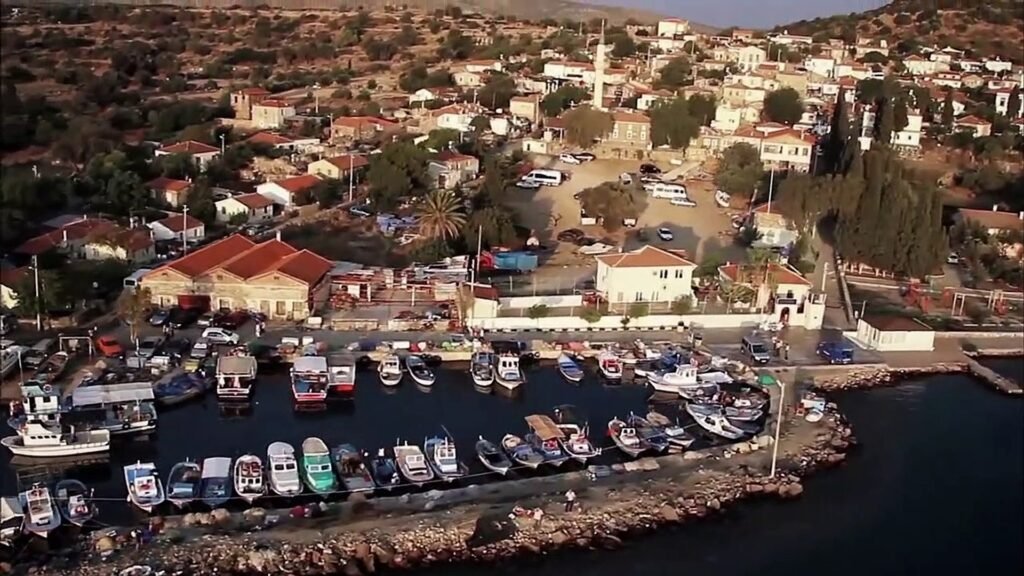
So, Ildır. It’s this tiny, picture-perfect village. You’ll find it in the Çeşme district, part of Izmir Province, Turkey. The bulk of those first episodes? They shot ’em right here. Tucked away on the Çeşme Peninsula, a classic Aegean village. Just the kind of place you’d imagine.
- The Look & Feel: Imagine: whitewashed stone. Narrow streets, twisting. A harbor, tiny, bobbing with fishing boats. Old olive trees everywhere. That turquoise sea? Yeah, it’s real. This place just feels like traditional Aegean living. Day in, day out, life revolved around the water, the land. And that calm, that perfect setting? It really drove home what Fatmagül had. Before.
- Key Spots (and What They Meant):
- Fatmagül’s Actual House: Yep, the one she lived in with her brother and sister-in-law? It’s real. Still there, in Ildır. Rustic. Sea views. It just screamed “simple life” before everything fell apart. Lots of fans still go looking for it.
- The Harbor/Pier: So many daily life scenes here. Fishermen, sure. But also those quiet moments. When someone was waiting, or just staring out at the water, lost in thought. You know?
- Olive Groves & Paths: Miles of them. Beautiful, yes, but also a bit… isolated. And that’s where some of the darkest stuff, the real tragedy, went down. It really underlined how vulnerable she was out there.
- Erythrai Ancient City: Okay, so characters didn’t have big dialogue scenes among the ruins. But those establishing shots? The ancient city of Erythrai, just outside Ildır, was right there. It lent this incredible, timeless weight to the land itself. Erythrai was, like, one of the original twelve Ionian cities. Had its own famous prophetess, the Sibyl. Her oracle? People consulted it for centuries. The site still gives you these insane panoramic views of the Aegean. Wild, right?
- Why Ildır, though? Its sheer, untouched beauty. That tight-knit community. It screamed “innocence,” and that’s precisely why the tragedy felt so damn crushing. The contrast with Istanbul later? Just brutal. And effective.
1.2. Beyond Ildır: The Rest of the Çeşme Peninsula. It’s a Different Vibe.
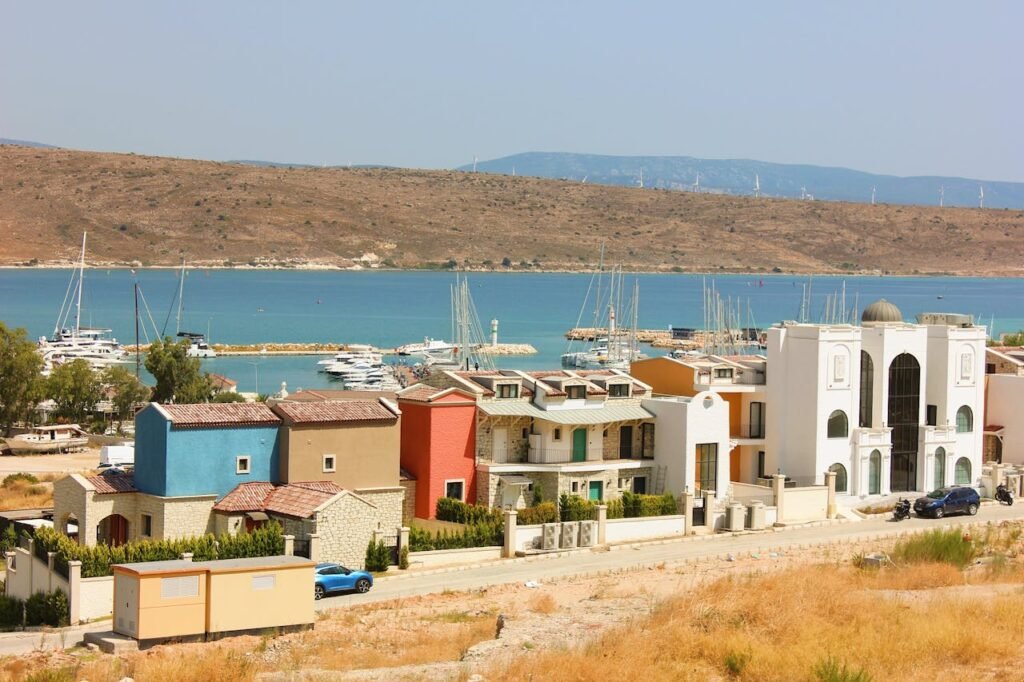
Ildır? Humble, isolated, sure. But the whole Çeşme Peninsula? Totally different. It’s a big tourist spot, known for gorgeous beaches, windsurfing, a buzzing summer scene. A pretty stark contrast to the quiet life you saw on screen at first, actually.
- Çeşme Town: The bigger town. Maybe they shot some market scenes here? Or needed a real beach? Or the historic Çeşme Castle. Hard to say exactly, but it’s definitely more bustling.
- Alaçatı: Just a quick drive from Ildır. Famous. For its stone houses, those cobblestone streets. Windsurfing, too — it’s a huge deal here. It feels more upscale, vibrant. Boutiques, cafes. Great spot to crash if you’re exploring the area, actually.
So, You Want to Go? Your Mini-Guide to Ildır & Çeşme.
You know, the show? It really put Ildır on the map. Suddenly, fans from everywhere wanted to see the actual spots. Fatmagül’s house, the village square—they became little landmarks. People just wanted to be there.
- How to Get There: Fly into Izmir Adnan Menderes Airport (ADB). From there? You could grab a rental car. Or bus it to Çeşme town, then a local dolmuş (that’s a shared taxi, basically) or just a regular taxi to Ildır.
- Where to Crash: Honestly, for more options, stay in Çeşme town or Alaçatı. Ildır itself? Great for a quiet day trip.
- What to Actually Do:
- Just wander. Ildır’s streets are quiet. See if you recognize anything. Try to imagine.
- Eat seafood. Seriously, it’s so fresh here. Those little harbor restaurants? Perfect.
- Check out Erythrai’s ancient bits. There’s a theatre, the agora, some temples, parts of the old city walls. The views from up there? Insane.
- Hit the beaches. Çeşme’s got some beauties, like Ilıca. Or, if you’re feeling it, try windsurfing in Alaçatı.
- When to Go: Spring (April-May) or early Autumn (September-October) are probably best. Weather’s ideal, and it’s not absolutely packed with summer tourists.
Chapter 2: Istanbul. The City That Holds It All. Struggle, Yeah. Healing, Maybe. Hope, Eventually.
Then Istanbul. It steps up, doesn’t it? Becomes this whole other beast. A real character, if you ask me. All that adaptation, the struggle, finding some kind of healing—the city just reflected it. And it wasn’t just about specific houses anymore. Istanbul itself was the backdrop. You saw them everywhere: crowded streets, public transport, cafes, hospitals, those legal offices. Their whole emotional journey unfolded right there, in the city’s frantic, vibrant daily life.
2.1. Old Istanbul: Echoes of Empire. Sultanahmet, The Old City.
- Grandeur, Just Grandeur: Think Hagia Sophia. Blue Mosque. Topkapi Palace. These icons? They showed up in all those sweeping panoramic shots, reminding you of Istanbul’s deep, heavy history. The city is history.
- The Hustle: Grand Bazaar. Spice Bazaar. They really captured the city’s commercial pulse. Characters pushing through those crowded alleys. That sensory overload. You could almost feel it.
- Twisty Streets: The old city’s narrow, winding paths. Perfect for drama. For someone lost in thought. Or just to show them, you know, living in this incredible, ancient maze.
2.2. Bosphorus Majesty: Galata, Karaköy, European Shores.
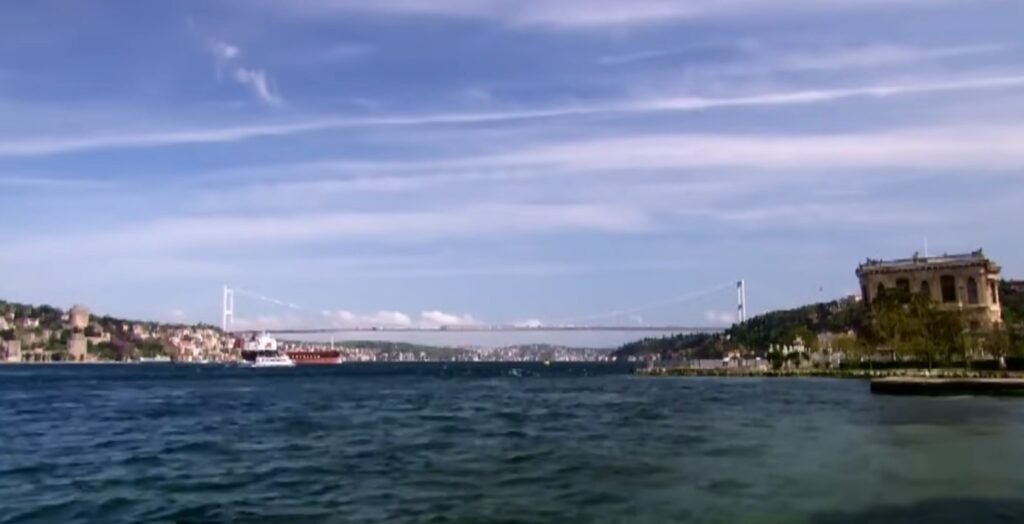
The Bosphorus Strait. You couldn’t miss it. It was everywhere in Istanbul. Especially once Fatmagül and Kerim landed there, building that tough new life.
- Galata Tower & Bridge: You saw the Galata Tower, right? Amazing views from up there. And that bridge, linking two big parts of the city. Always buzzing. Lots of character interactions happened around there, I think.
- Karaköy Port & Cafes: This area, all trendy and revived, with its port and cafes? Probably where Kerim’s workshop was. Or for those more modern, city-life shots of Istanbul.
- Along the Bosphorus (Beşiktaş, Ortaköy, Bebek, Yeniköy): The Bosphorus itself. Just majestic. It popped up constantly in establishing shots, travel scenes. It wasn’t just a river, though. It showed you how vast their challenges were, how much beauty Istanbul still held, even in the middle of everything.
- Ortaköy Mosque & Square: Just a really picturesque spot. Probably saw some romantic or quiet, reflective scenes here.
- Bebek & Yeniköy (Those Yalı Mansions): These are the fancy neighborhoods. Waterfront mansions, called yalı. They’re opulent. And yeah, probably where the super-rich Yaşaran family lived. The sheer luxury of those houses lining the Bosphorus? It really hammered home the difference between Fatmagül’s struggles and the antagonists’ wealth. That Yaşaran mansion, I’d guess it was somewhere in Beykoz, on the Asian side.
- Bosphorus Bridges & Ferries: The famous bridges (15 July Martyrs Bridge, Fatih Sultan Mehmet Bridge) for sure. Practical stuff, travel. They linked the city, connected lives. And those ferry crossings? Just gave you a moment to breathe, to think, out on the water.
2.3. Balat & Fener: Real, Gritty. A Labyrinth of Color.
The show was clever, really, with Istanbul’s neighborhoods. It used them to show those stark social divides. Fatmagül’s first humble home, that whole tough adjustment phase? That was often shot in places like Balat or Kuzguncuk. Working-class, traditional. Historic wooden houses, narrow streets. A different Istanbul.
- The Vibe: These old districts? They’ve got this undeniable charm. Steep, cobbled streets. Brightly painted wooden houses. A real bohemian energy. You feel like you’ve stepped back in time.
- Why Here?: They were probably the backdrop for those early, modest days in Istanbul. A small sense of community, maybe, swallowed by the city. It really drove home how hard they were fighting to just make a life.
2.4. Across the Continents: Asian Side Charm. Üsküdar, Kadıköy.
The Bosphorus, remember? It literally splits Istanbul. European side, Asian side. So, of course, they used that for travel scenes. Just showing how big the city was. How far they had to go sometimes.
- Maiden’s Tower (Kız Kulesi): That iconic tower out in the Bosphorus? Yeah, Istanbul’s postcard. You’d see it in those long, wistful shots, usually from the Asian side.
- Kadıköy Market & Streets: A super vibrant district on the Asian side. Daily life, right there. Bustling markets. A totally different feel from the European side sometimes. Could have been used for any number of daily routines.
Istanbul Explorer’s Handbook: Navigating Fatmagül’s City
- How to Get There: Two big airports serve Istanbul: Istanbul Airport (IST) on the European side, and Sabiha Gökçen International Airport (SAW) on the Asian side.
- Getting Around: Istanbul’s public transport? It’s huge. And it works. Metro, tram, bus, ferry, the Marmaray train. Grab an Istanbulkart. Seriously, you’ll need it.
- What Else to Do (Beyond Just Fatmagül Stuff):
- History Junkie? Sultanahmet. Hagia Sophia, Blue Mosque, Topkapi Palace. Just dive in.
- Culture Fix? Get lost in the Grand Bazaar. Or the Spice Bazaar. And you absolutely have to try a traditional Turkish bath. A hamam. Trust me.
- Views? Bosphorus cruise. See both sides, European and Asian. And the Galata Tower views are legendary.
- Foodie? Turkish food is incredible. Simit (sesame bread rings) and döner from a street vendor. Or go fancy. Your call.
- When to Go: Spring (April-May) or Autumn (September-October). Best weather for sure. Fewer crowds than summer, too.
Why It Matters: Connecting the Dots on Your Trip
- The Big Shift: Go from Ildır to Istanbul, and you don’t just travel miles. You literally walk through the story’s core themes: that lost innocence, the struggle, adapting, finally healing. The quiet village versus the crazy city. It just is Fatmagül’s journey.
- Real Turkey: The show wasn’t shot on some fake set. These are real places, real customs. You get a genuine peek into Turkish life, from village calm to Istanbul’s buzz. That’s pretty cool, I think.
- Feeling It: If you’re a fan, standing in these spots? It’s different. It makes the show resonate even deeper. You remember. You feel. It just connects you to the whole powerful thing.
- “Set-Jetting” Before It Was Cool (Okay, Maybe Not): “Fatmagül” definitely kicked off a wave of “screen tourism” to these places. Lots of Turkish drama fans still put them on their list. Figured as much.
Beyond the Screen: Don’t Forget The Rest of Turkey.
Look, you’re chasing Fatmagül’s world. Great. But don’t miss the rest of Turkey. The people here? Incredibly warm. Hospitality is a whole thing, trust me. History everywhere. Food that’s just… amazing. All of that is part of the “Fatmagül world,” even if it wasn’t a specific filming location. It makes the trip, you know, real.
So, Go See It.
“Fatmagül’ün Suçu Ne?” It’s out there. The places, anyway. If you’re a fan, or just curious, seeing these spots is something else. It’s more than just a TV show backdrop. You get a feel for Turkey, for the story, on a different level. Go. See it for yourself. Just like Fatmagül and Kerim, in their own messed up way, had to.